Use peat-free garden products
- Earth Points
- 5


- Ease
- Medium
Description
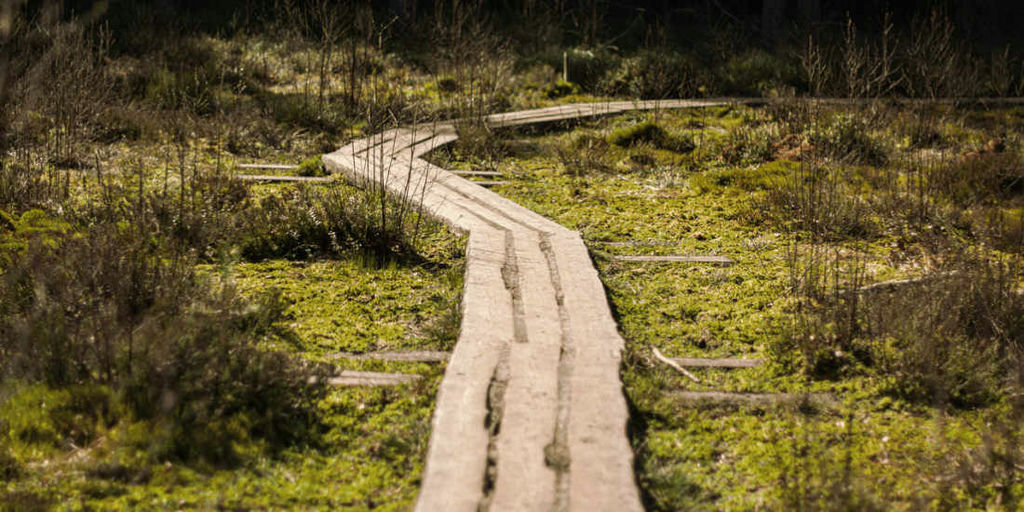
Did you know that besides being unique and diverse ecosystems, peatlands are significant carbon sinks? Peatlands cover 3% of the earth’s land area, and yet store twice as much carbon as all the world’s forests! Only the oceans store more carbon than peatlands. Wow!
Peatlands exist on every continent. It can take 1,000 years for 1 meter of peat to form. Peatland that is drained for harvesting or land use releases about 2 billion tons of accumulated carbon every year. This means that drained or degraded peatlands shift from being vast carbon sinks to dangerous sources of climate pollution in the atmosphere.
Peatland restoration is gaining important attention, but even when well done, the restoration process does not reabsorb all of the released carbon from a disturbed peatland for hundreds, or even thousands of years.
Peatlands are drained for a number of reasons, like agriculture, palm oil plantations, fuel, mineral extraction, or infrastructure, and require protection by activists and governments. But another reason they are drained is to harvest the peat moss for use in garden soil products that many of us use.
Peat moss is sometimes mixed into potting mixes, bags of dirt, or seed-starting mixes. Additionally, it is sold as a stand-alone top dressing or soil conditioner. For all of these cases, there are alternatives that do not cost as much and are not as harmful to our climate.
Switching to peat-free products is an important contribution every gardener can make to protect these diverse ecosystems, reduce carbon in the atmosphere, and help bring more awareness to the importance of keeping peatlands intact.
Tips
• When buying soil, seed-starting mixes, or other gardening products, check the labels for peat. If it is included, look for an alternative to accomplish the same job. Send a message with your money.
• Check the label on the bag for indicators of peat moss, which may also be listed as sphagnum peat moss, bog moss, peat humus, horticultural peat, or hortic peat.
• There are lots of great alternatives to peat. Plus you may find that you simply do not need to buy a product at all to accomplish your goals, despite what the army of marketers says as they try to separate you from your money.
• Sustainable soil amendments enhance plant growth while preserving the environment. Composted bark and leaves improve soil structure and add organic matter. Compost enriches soil with essential nutrients. Rice hulls enhance aeration and drainage. For seed-starting or container gardening, wood fiber and perlite or vermiculite serve as effective substitutes. Additionally, biochar boosts soil fertility and acts as a long-term carbon sink. Coconut coir provides excellent water retention and aeration. These eco-friendly alternatives promote healthy plants without the environmental harm associated with peat harvesting.
• If options are limited at your favorite shop, ask for peat-free options the next time you are shopping for soil amendments. This causes a ripple effect in the center itself, making the sellers think about peat.