Practice nature noticing
- Earth Points
- 1


- Ease
- Easy
Description
You do not need a forest or a national park to reconnect with nature. Nature noticing is a simple practice: pause, pay attention, and observe what is already around you.
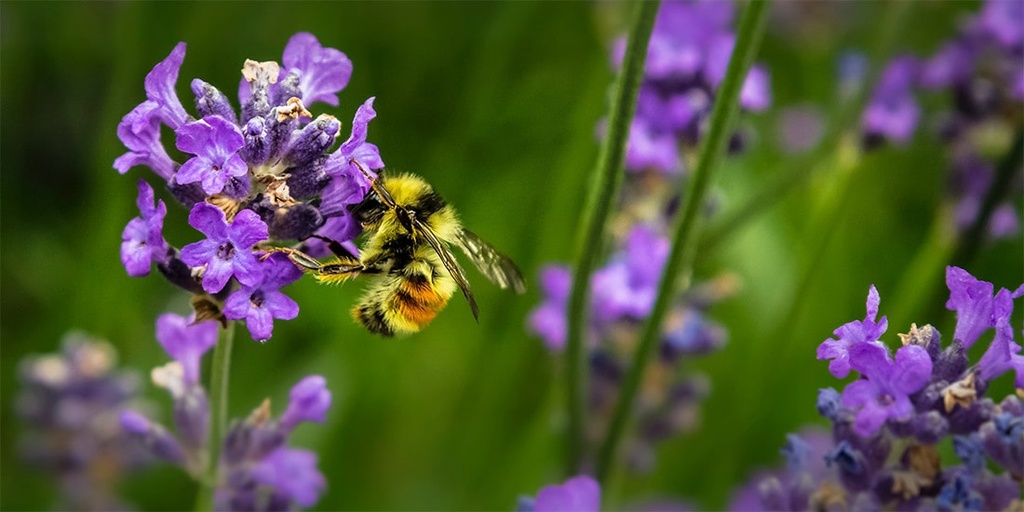
Look for living things, such as plants, insects, and birds; natural patterns, such as clouds, wind, and water; and small signs of life that often go unnoticed, such as moss growing between cracks, new buds, and animal tracks.
These small acts can build awareness and appreciation, making climate and biodiversity feel more personal in everyday life. Research has found that active sensory engagement is associated with a stronger connection to nature, which is linked to pro-environmental behavior and well-being.
Tips
Set a timer for five minutes (or whatever you prefer) and do any of the following items or something related:
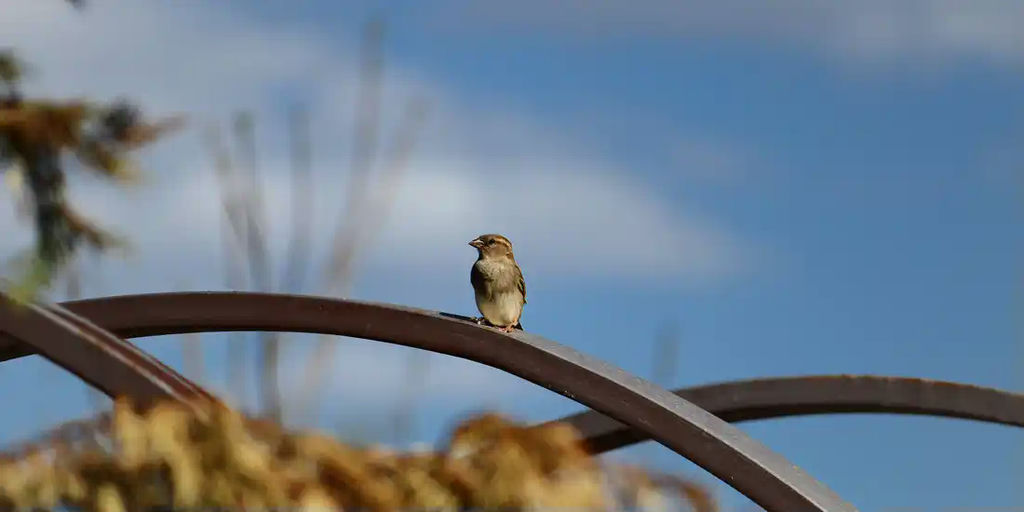
• Find Living Things: Look for a street tree, a plant on a balcony, moss on a wall, or a bird on a wire.
• Listen for Natural Sounds: Notice birds, wind, rain, or rustling leaves.
• Notice Details Up Close: Examine a leaf shape, bark texture, ant trail, or flower scent.
• Take a Micro-Safari: Explore the planters, tree pits, cracks in pavement, courtyards, parks, canals, or beaches that serve as nature cradles in your area.
• Look Up: Notice clouds, migrating birds, swifts, or bats at dusk.
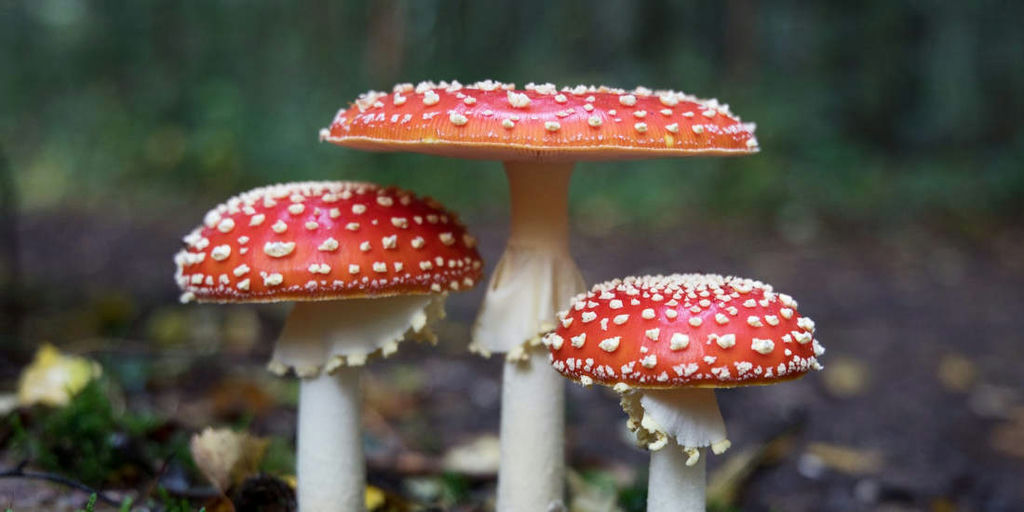
• Look Down: Notice weeds, fungi on mulch, tiny insects near lights, or seed pods on the ground.
• Notice from Indoors: Look from a window or balcony for light, weather, birds, and plants.
Want to Go Deeper?
• Identify What You Find: Take a photo and identify it with the free iNaturalist app.
• Try a Birdsong Moment: Use the free Merlin Bird ID app to identify birds by their songs and calls.
• Share What You Notice: Tell a friend or share it with your group to make the experience social and help the practice stick.