Fashion Choices and the Environment
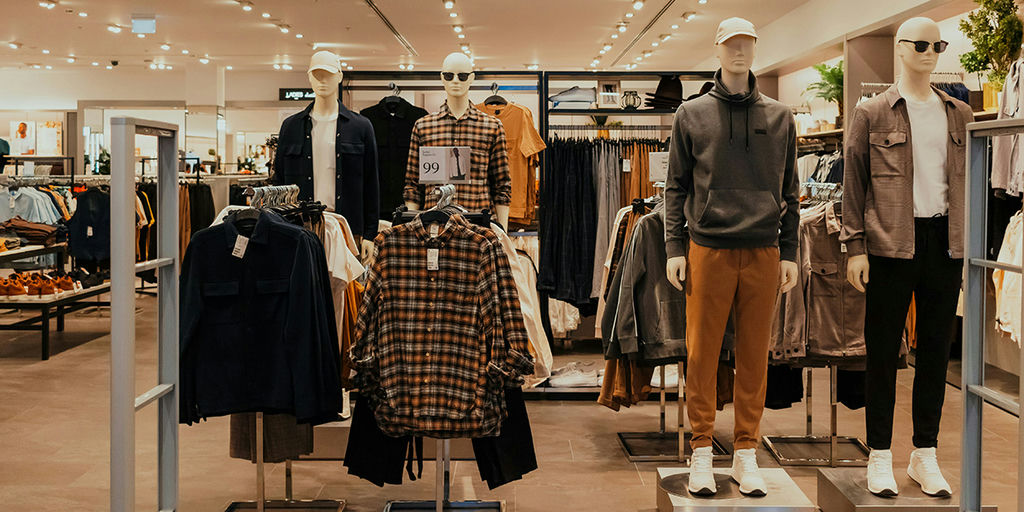
Photo by Kate Trysh on Unsplash
We all want to look our best. But what if our desire for new clothes comes at the cost of something far more important: our major support system, the environment?
Fashion is more than just what we wear. The choices we make about what we buy, how often we shop, and what we do with clothes we no longer wear can have a significant impact on the planet.
This is because the fashion industry has a significant environmental footprint. Research by the World Resources Institute estimates that making a pair of jeans produces greenhouse gas emissions comparable to driving a car more than 80 miles. Discarded clothing made from non-biodegradable fabrics can remain in landfills for up to 200 years. Meanwhile, producing just one cotton T-shirt requires about 2,700 litres of water, enough to meet the average person’s drinking needs for two and a half years (see By the Numbers: The Economic, Social and Environmental Impacts of “Fast Fashion”).
Another report** **by Geneva Network revealed that the fashion industry carries high environmental and social costs, with the sector also contributing substantially to plastic leakage into the environment. The growing use of synthetic fibres has further increased this impact. Synthetic fibers accounted for approximately 64% of global fiber production in 2020, while an estimated 60% of clothing and 70% of household textiles are now made from synthetic fibers. These plastic-based materials contribute to greenhouse gas emissions and pollution throughout their life cycle, highlighting the need for a shift toward more sustainable fashion practices; See Environmental Sustainability in the Fashion Industry and Sustainable Clothing (Earth Hero)
What Are Our Options?
In a world continually faced with financial pressures and the need to keep up with societal expectations, what then are our options? Do we have to constantly buy new clothes to look good and fit in, or can we rethink how we approach fashion?
Perhaps the answer lies in making more conscious choices, buying less but better, re-wearing what we already own, choosing durable clothing, shopping second-hand, and finding new ways to style the same pieces. Looking good does not have to come at the expense of the environment or our financial well-being.
A 2026 study by National Geographic revealed that the most important step we can take to reduce the environmental impact of fashion is to buy fewer clothes and make better use of the ones we already own. When we do need to purchase something, the materials we choose also matter, because a significant share of a garment’s environmental footprint comes from its raw materials. Animal-derived fibers such as leather, wool and cashmere can have substantial environmental impacts, while synthetic materials made from fossil fuels also carry their own environmental costs (see The most eco-friendly way to shop for clothes, according to fashion experts).
At the same time, sustainability should not create another form of pressure to constantly consume. There is nothing wrong with owning a special outfit for an important occasion and wearing it more than once. Renting clothing can also be an alternative, particularly for pieces that may only be worn occasionally, as long as rental models are affordable and fair to consumers (see The most eco-friendly way to shop for clothes, according to fashion experts). When renting costs almost as much as buying a new garment, consumers may simply choose to purchase something new instead.
The goal, therefore, is not to stop enjoying fashion but to consume more thoughtfully. Buying less, wearing clothes for longer, choosing materials carefully, and considering practical alternatives can help us look good while reducing unnecessary financial and environmental costs.