When Global Warming Brings Extreme Cold
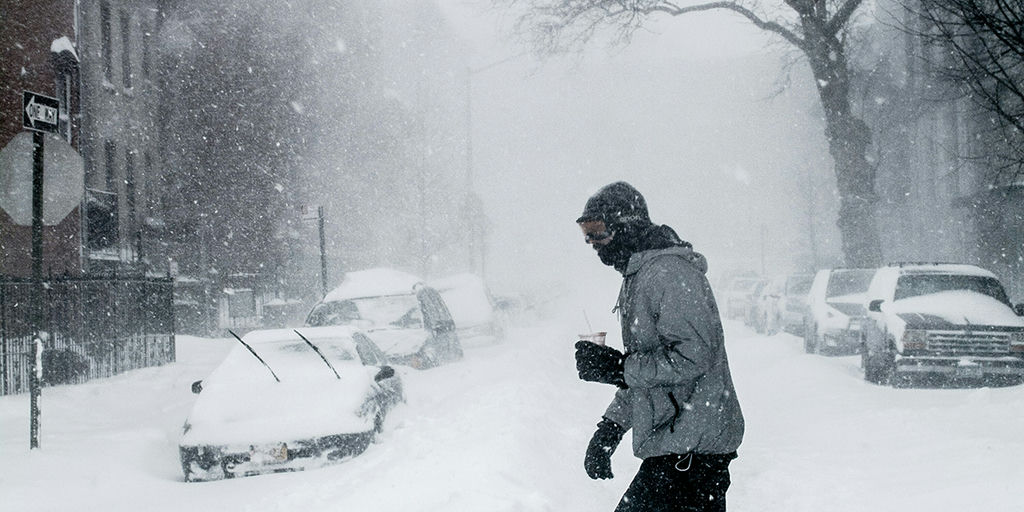
Photo by Flow Clark on Unsplash
It may sound confusing, but global warming can actually cause very cold weather in some places. This is happening more often, and it has to do with two important systems in the atmosphere: the polar jet stream and the polar vortex.
Burning oil and gas releases greenhouse gases that drive global warming, but the effects go beyond rising temperatures. This is because the Arctic is warming much faster than the rest of the planet, disrupting the jet stream, a fast-moving current of air that normally acts like a barrier, keeping cold Arctic air in the north. As this barrier weakens and becomes more wavy, it allows glacial air to spill south into places like Canada, the United States, and parts of Europe. This is why, even in warm territories, some countries can experience sudden and extreme cold, often linked to what is known as the “polar vortex” — a band of extremely cold air that normally stays contained around the Arctic.
How did this happen? Research from Massachusetts Institute of Technology shows that the burning of oil and gas releases greenhouse gases that heat the Earth and accelerate climate change, resulting in “Arctic amplification,” where the Arctic warms faster than other regions of the world. At the same time, the polar vortex can become unstable. When this happens, freezing air escapes southward into other regions, bringing unusually harsh winter conditions; See explainers/polar-jet-stream-and-polar-vortex.
But the effects go beyond colder temperatures alone. The disruption of atmospheric systems such as the jet stream and the polar vortex has now been associated with a range of devastating social and economic consequences. According to reports from CNN, when freezing Arctic air is pushed into regions that are not prepared for such extreme conditions, the impacts can be severe and far-reaching; See, “The Polar Jet Stream and Polar Vortex”.
Just a couple of examples of this phenomenon:
- The 2021 Texas winter storm led to massive power outages, water shortages, transportation shutdowns, economic losses, and many deaths.
- Parts of Asia and Europe have also recorded unusually harsh winters in recent years, disrupting daily life, damaging infrastructure, affecting energy supply, and increasing pressure on healthcare systems.
These events highlight how the effects of global warming extend beyond rising temperatures. They can also trigger extreme weather conditions that place serious strain on human lives, economies, and public infrastructure.
Addressing these challenges requires more than simply reacting to extreme weather events after they occur. Governments, industries, and individuals must work together to reduce greenhouse gas emissions by cutting dependence on fossil fuels such as oil and gas and investing more in cleaner energy sources. At the same time, countries need stronger infrastructure, better emergency preparedness systems, and more climate-resilient energy and water networks that can withstand unusual weather conditions. Public awareness and research will also play a major role in helping societies adapt to a changing climate while reducing the risks of future disasters.