Is Oil Fueling Our Wars? Colombia Is Starting a Different Conversation
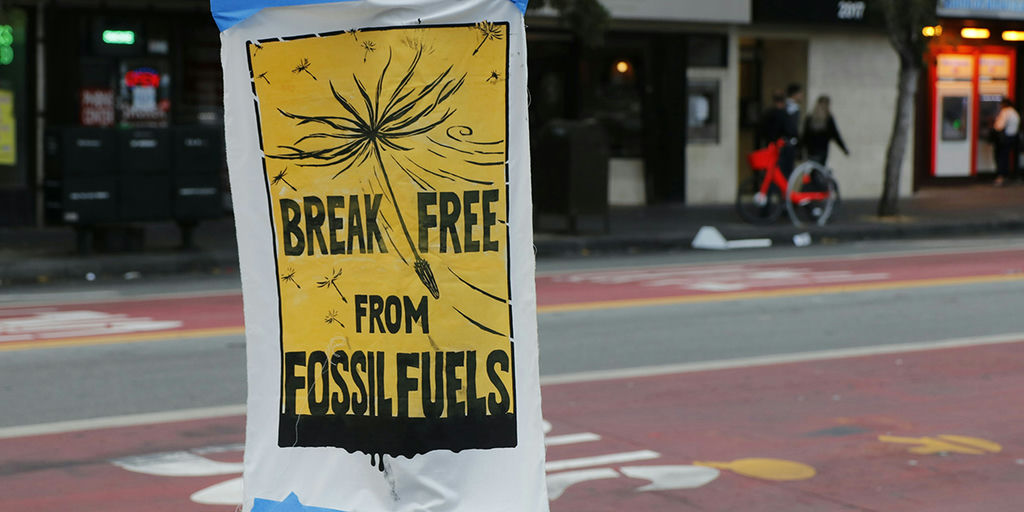
Photo by Eelco Böhtlingk on Unsplash
While the world continues to focus on global climate summits like the Conference of the Parties (COP), a parallel conversation is emerging elsewhere. In Santa Marta, Colombia, countries gathered to discuss a deeper and increasingly urgent question: How do we actually move beyond fossil fuels? It becomes an increasingly urgent question as burning fossil fuels overheat our planet and drive climate change.
In a geopolitical landscape shaped by the Russia-Ukraine war and tensions in the Middle East, energy remains central to global power dynamics. Oil dependency still influences economies, political alliances, and even conflicts themselves. The timing of the Santa Marta conference could not have been more symbolic: it unfolded during one of the most fragile energy moments in recent history, where the challenges of fossil fuel dependency are becoming impossible to ignore.
Following COP28 and the first official mention of the need to “transition away from fossil fuels,” countries such as Colombia and the Netherlands decided to open a different kind of climate conversation: one less constrained by veto power, lobbying pressures, and the slow pace of international negotiations. The countries participating in Santa Marta represent nearly one-third of global GDP and one-third of the world’s fossil fuel. This means that despite the absence of major emitters such as China and the United States, a different vision for the future is beginning to take shape.
The Significance of Santa Marta
What makes Santa Marta particularly significant is that it was led by Colombia itself, a country historically linked to coal and oil exports. The summit became a space for countries genuinely interested in building practical pathways toward a post-fossil economy, while openly acknowledging the contradictions tied to such a transition. The challenge is not simply environmental. Entire economies, public revenues, jobs, subsidies, and trade systems are still deeply connected to fossil fuels.
For this reason, discussions extended beyond emissions targets. Three major areas of work emerged during the conference:
- Developing national roadmaps for phasing out fossil fuels.
- Addressing macroeconomic dependencies on oil and gas.
- Improving cooperation between producing and consuming countries.
Financial systems also became a central issue. Many countries in the Global South continue to face high debt costs and limited access to investment capital, making renewable transitions significantly more difficult. Santa Marta highlighted that climate transition is not only technological, but also economic and political.
Beyond the Conference
At the same time, the summit exposed the fragility of traditional fossil fuel alliances. While cooperation between countries seeking to accelerate the energy transition appears to be strengthening, major producer blocs such as OPEC have increasing internal tensions. The decision of the United Arab Emirates to distance itself from OPEC reflects a growing awareness that the long-term profitability of fossil fuels may no longer be guaranteed.
Ultimately, the crisis triggered by tensions around Iran once again demonstrates how insufficient current decarbonization efforts still are. Every delay in renewable energy investments increases global exposure to geopolitical shocks and economic instability.
Santa Marta may therefore represent more than another climate conference: it could become one of the first real attempts to rethink energy transition outside the traditional boundaries of international climate diplomacy.